How Do Metal Braces Work?
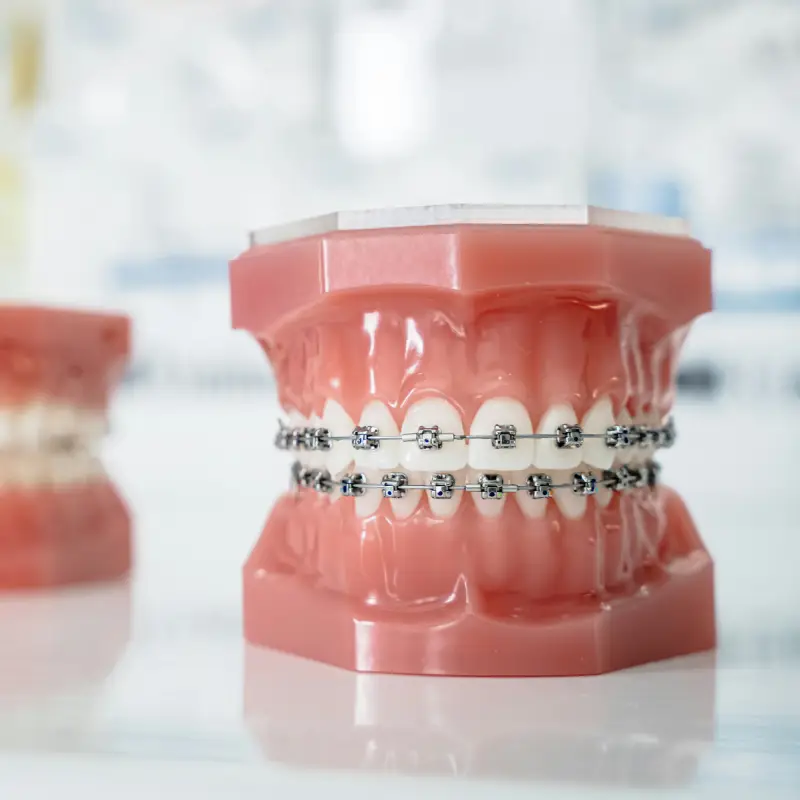
Traditional braces use small metal brackets that are bonded to the front of your teeth. These brackets are connected with orthodontic wires that apply gentle, consistent pressure to guide your teeth into better alignment.
As treatment progresses, Dr. Rubin will make adjustments to your braces to continue guiding your teeth toward their ideal positions. Regular appointments allow Dr. Rubin to monitor your progress and make sure your treatment is moving forward safely and effectively.
How Long Will I Wear Metal Braces?
Every smile is different, so the length of treatment with traditional braces varies from patient to patient. Your treatment time may depend on factors such as the severity of your orthodontic concerns, your age, how your teeth respond to treatment, and how closely you follow Dr. Rubin’s recommendations.
During your consultation, Dr. Rubin will evaluate your teeth and bite and create a personalized treatment plan. You’ll also receive an estimated timeline for your orthodontic treatment.
What Foods Should I Avoid With Metal Braces?
While traditional metal braces are durable, certain foods can damage your brackets or wires. Taking care with your diet can help prevent broken brackets and keep your treatment progressing as planned.
It’s generally best to avoid:
- Hard foods and candies that can damage or break your brackets.
- Sticky or chewy foods that can become caught around your braces.
- Foods that require biting directly into them, such as whole apples, hard pretzels, and raw vegetables.
- Chewing on ice or other hard objects, which can damage your braces.
You can still enjoy many of your favorite foods during orthodontic treatment. With a few simple dietary adjustments and good oral hygiene, caring for your braces can be easy.
The Benefits of Traditional Metal Braces
Traditional metal braces remain a reliable and versatile orthodontic treatment option. They can address many different types of tooth and bite concerns and are suitable for patients of all ages.
Metal braces can help:
- Straighten crowded or crooked teeth.
- Close gaps and spaces between teeth.
- Improve your bite and overall dental alignment.
- Correct a variety of orthodontic concerns.
- Create a healthier, more balanced smile.
- Provide predictable and effective tooth movement.
- Improve your confidence and smile for years to come.
For patients who need comprehensive orthodontic treatment, traditional metal braces can provide an effective way to achieve a straighter, healthier smile.
Start Your Orthodontic Journey
If you’re ready to explore your orthodontic options, contact Dr. Rubin Orthodontics to schedule a consultation. Dr. Rubin will evaluate your smile, discuss your goals, and help determine whether traditional metal braces are the right treatment option for you.
 (718) 868-1497
 Far Rockaway