When Should Kids Get Braces?
Every child develops differently, so there is no single age when every child should begin orthodontic treatment. In many cases, orthodontists recommend that children have an initial orthodontic evaluation around age 7.
An early evaluation does not necessarily mean your child will need braces right away. It allows Dr. Rubin to monitor the development of your child’s teeth and jaws and identify potential concerns before they become more difficult to treat.
Depending on your child’s individual needs, Dr. Rubin may recommend beginning treatment while they are still growing or waiting until more of their permanent teeth have erupted.
How Do Braces Work for Kids?
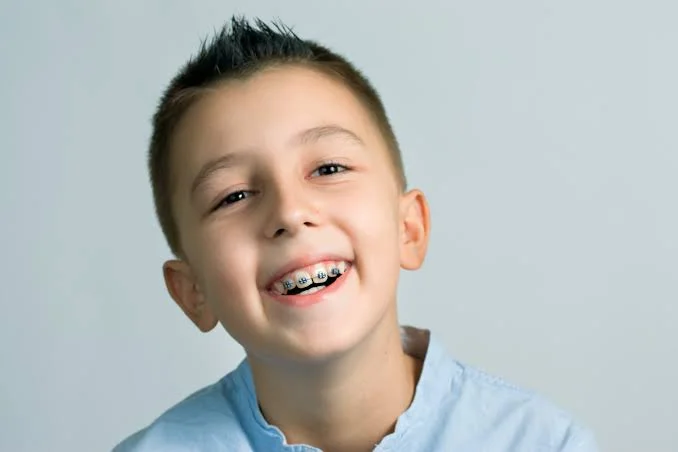
Traditional braces use small brackets attached to the front of the teeth and connected by orthodontic wires. The wires apply gentle, controlled pressure that gradually moves the teeth into better alignment.
As your child progresses through treatment, Dr. Rubin will regularly monitor their smile and make adjustments to keep treatment moving safely and effectively.
For some children, early orthodontic treatment may also help guide jaw development, create space for developing permanent teeth, or address certain bite problems.
What Types of Braces Are Available for Kids?
Dr. Rubin will recommend an orthodontic treatment option based on your child’s specific needs, dental development, and treatment goals.
Traditional Metal Braces
Metal braces are a trusted and effective treatment option for children. Modern braces are smaller and more comfortable than they were in the past and can effectively correct a wide range of orthodontic concerns.
Clear Braces
For older children and teens who prefer a more discreet appearance, clear braces use tooth-colored or ceramic brackets that blend more naturally with the smile.
During your child’s consultation, Dr. Rubin will explain the available options and recommend the approach that best fits their needs.
How Long Will My Child Wear Braces?
The length of orthodontic treatment varies from child to child. Treatment time depends on factors such as the severity of the orthodontic concerns, your child’s stage of dental development, how their teeth respond to treatment, and how well they follow Dr. Rubin’s instructions.
Regular appointments and good oral hygiene are important for keeping treatment on track. Dr. Rubin will monitor your child’s progress throughout treatment and provide guidance along the way.
Caring for Braces at Home
Good oral hygiene is especially important while your child has braces. Food can become trapped around brackets and wires, increasing the risk of plaque buildup and cavities.
Encourage your child to:
 (718) 868-1497
 Far Rockaway