Types of Appliances

Exploring-the-Types-of-Rubber-Bands-Braces-Use-new

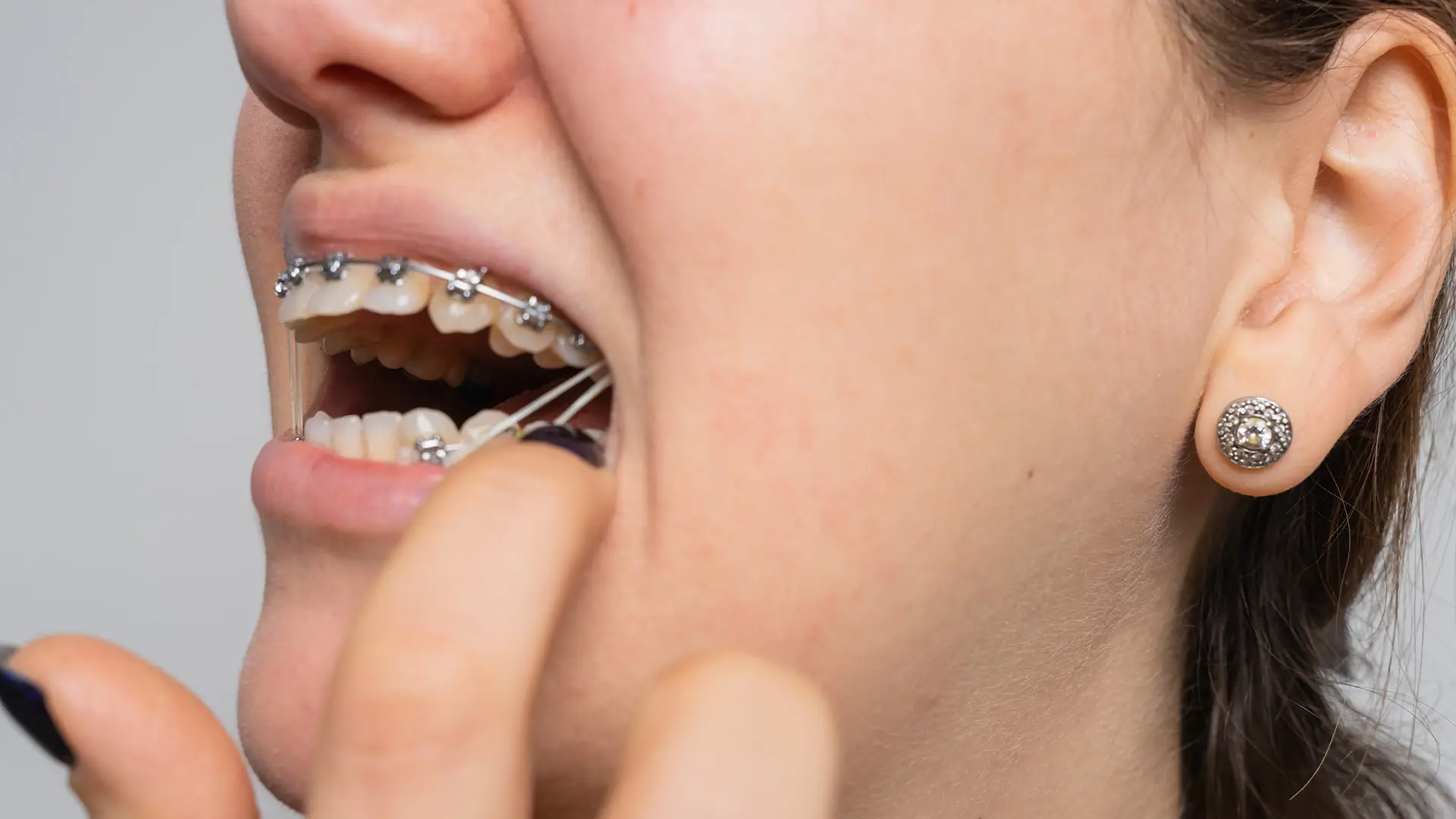
Elastics (Rubber Bands)

Orthodontic elastics, commonly known as rubber bands, are an important part of orthodontic treatment that helps improve the fit between your upper and lower teeth. They are attached to specific hooks on your braces to apply gentle, controlled pressure, guiding your teeth into the correct positions and helping correct bite problems such as overbite, underbite, and crossbite. While braces help straighten your teeth, elastics play a vital role in improving the relationship between your upper and lower dental arches, contributing to a more balanced bite and better chewing function. Your orthodontist will recommend the appropriate type, size, and placement of elastics based on your individual treatment needs.

forsus-new-img

Forsus™

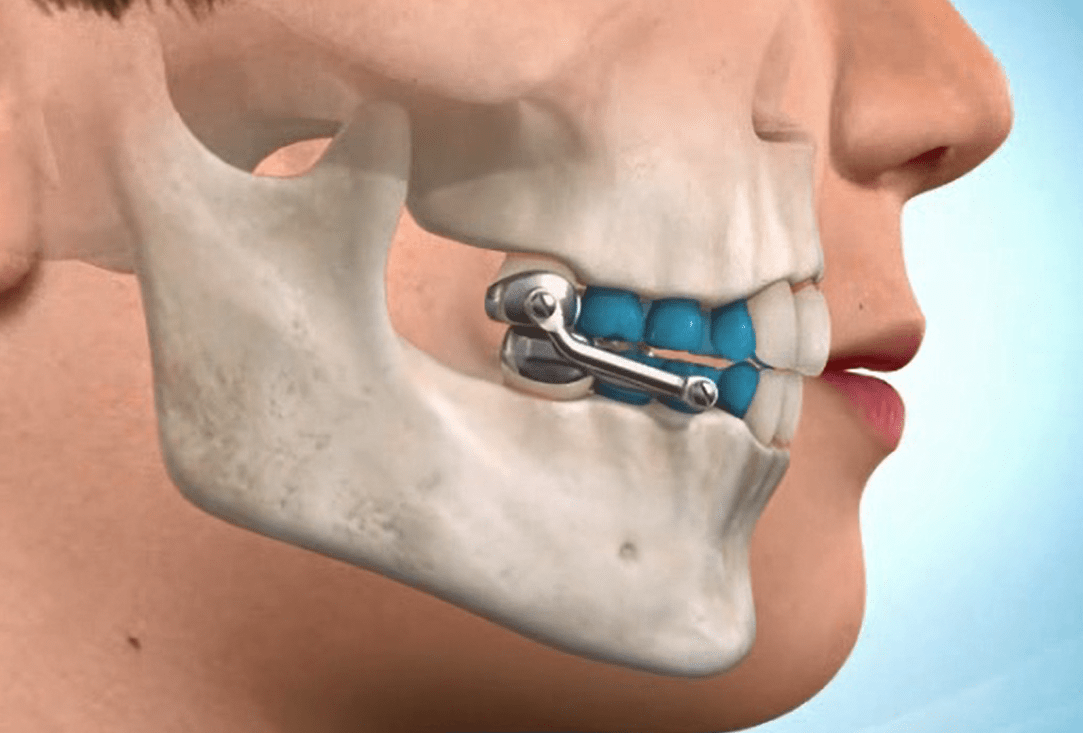
The Forsus™ Fatigue Resistant Device is an innovative orthodontic appliance designed to correct excessive overbites and improve the alignment of teeth, particularly in adolescents. It serves as an alternative to traditional headgear by applying gentle, continuous forces to help improve the relationship between the upper and lower teeth.

Typically used in combination with braces, the Forsus appliance helps address Class II malocclusion, a condition in which the upper teeth or jaw are positioned too far forward relative to the lower teeth or jaw. Its fixed design eliminates the need for patients to remember to wear or remove the appliance, making orthodontic treatment more convenient and consistent.

herbst-appliance-1

Herbst® Appliance

The Herbst® appliance is a fixed orthodontic device designed to correct an overbite by guiding the lower jaw forward while encouraging the upper molars to move backward. This helps improve the relationship between the upper and lower jaws and supports better bite alignment.

The Herbst® appliance is most commonly used in growing children and young adolescents, as their jaws are still developing. Since it is fixed in place, it works continuously without needing to be removed. Treatment typically lasts around 12–15 months, depending on the patient’s individual needs and progress.

Palatal-Expander-new

Palatal Expander

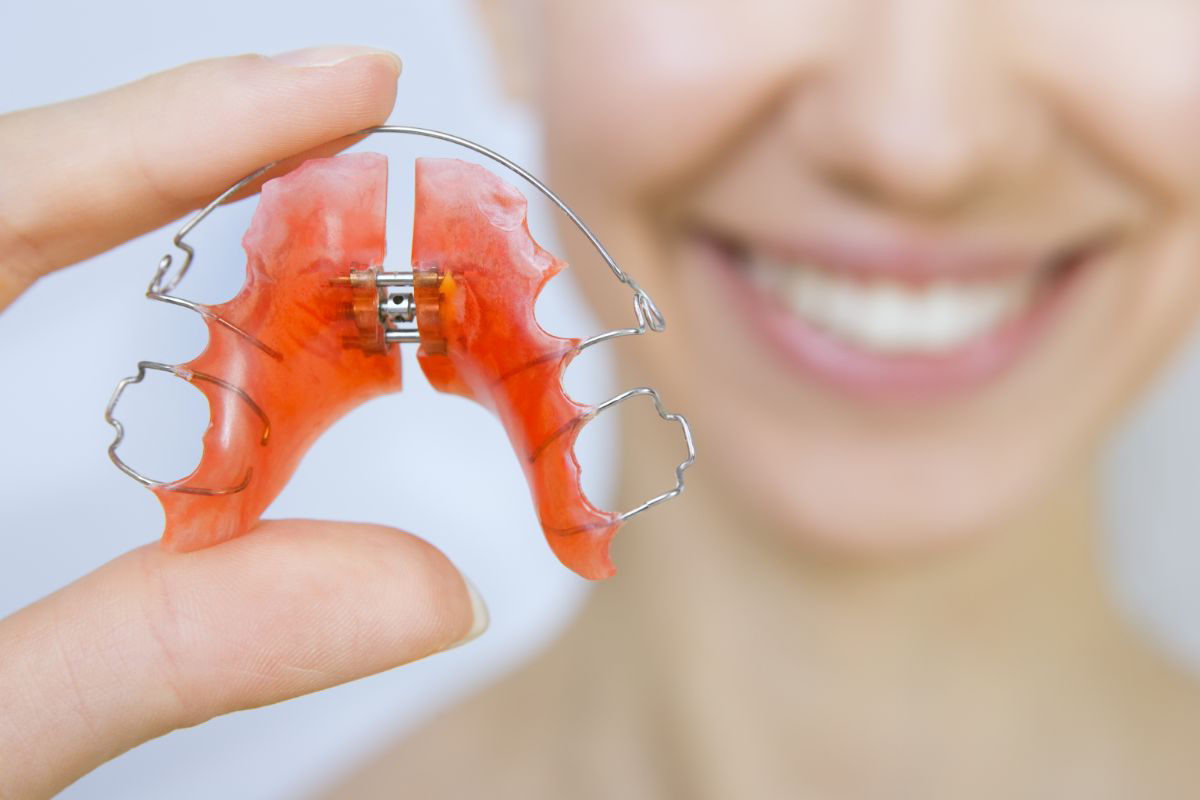
The Palatal Expander is an orthodontic appliance designed to widen the upper jaw by applying gentle, controlled pressure to the upper molars and surrounding structures. This helps create more space in the mouth, improve bite alignment, and address problems caused by a narrow upper jaw.

The palatal expander is commonly used in growing children and young adolescents while their jaws are still developing. Your orthodontist will guide you on when and how to adjust the appliance. Once the desired expansion is achieved, the appliance is typically worn for several more months to stabilize the results and prevent the upper jaw from narrowing again.

why-retainers-matter-new

Retainers

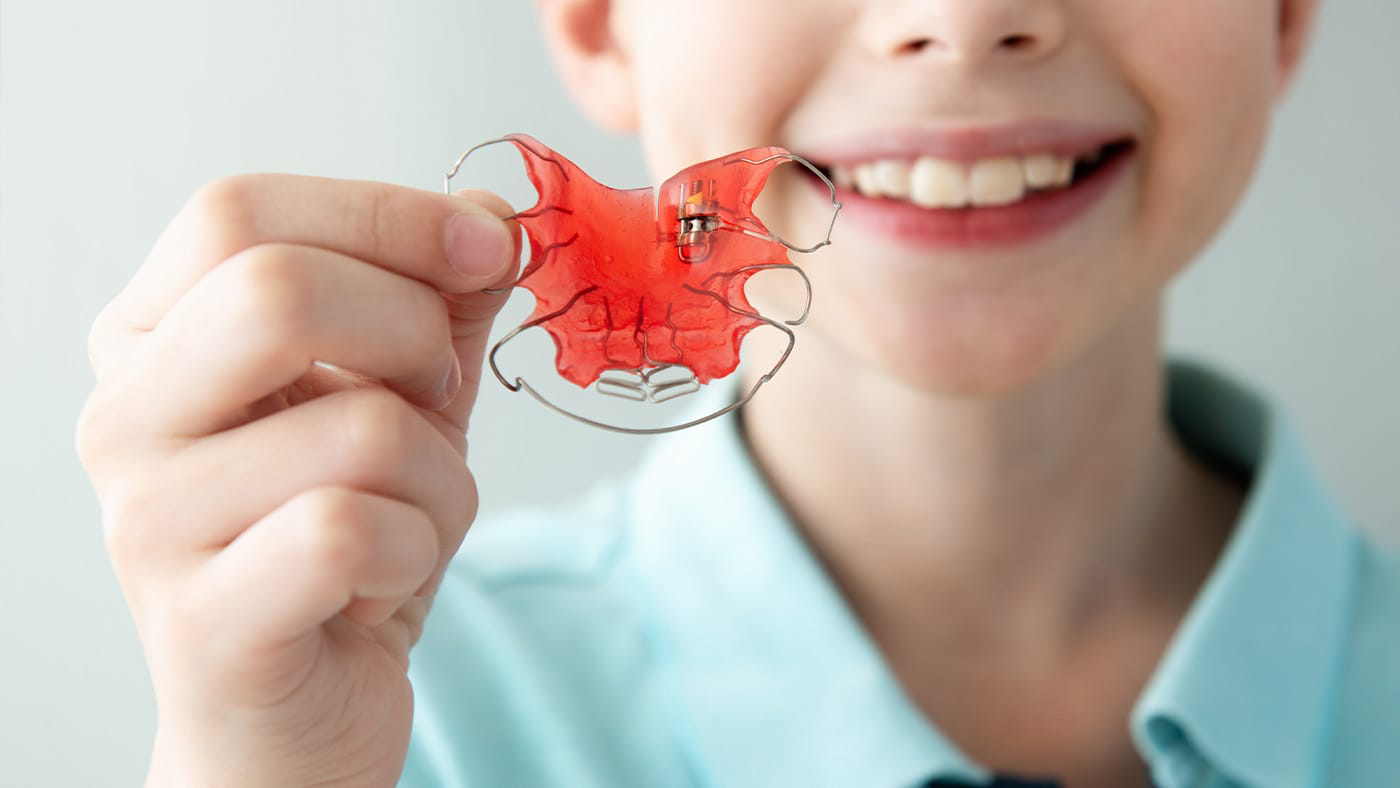
Retainers are orthodontic appliances designed to keep your teeth in their new, corrected positions after braces or other orthodontic treatment. They can be removable or fixed, depending on your individual needs, and help maintain your straight smile.

Retainers are an essential part of orthodontic treatment, as teeth can gradually shift back toward their original positions. Your orthodontist will guide you on how to care for your retainer and how long you need to wear it. Following the recommended wearing schedule is crucial to maintaining your results and preventing relapse.

Separators or Spacers

Separators or Spacers are small rubber rings or elastic devices placed between your teeth to create enough space for orthodontic bands to fit comfortably around your molars. They are usually used before braces or other orthodontic appliances are placed and are removed at your next appointment before the bands are fitted.

Separators are typically worn for a few days and may cause mild pressure or soreness as they create space between your teeth. During this time, it is important to avoid sticky or chewy foods, toothpicks, and flossing around the separators, as these can dislodge them. Following your orthodontist’s instructions will help ensure your treatment progresses smoothly.